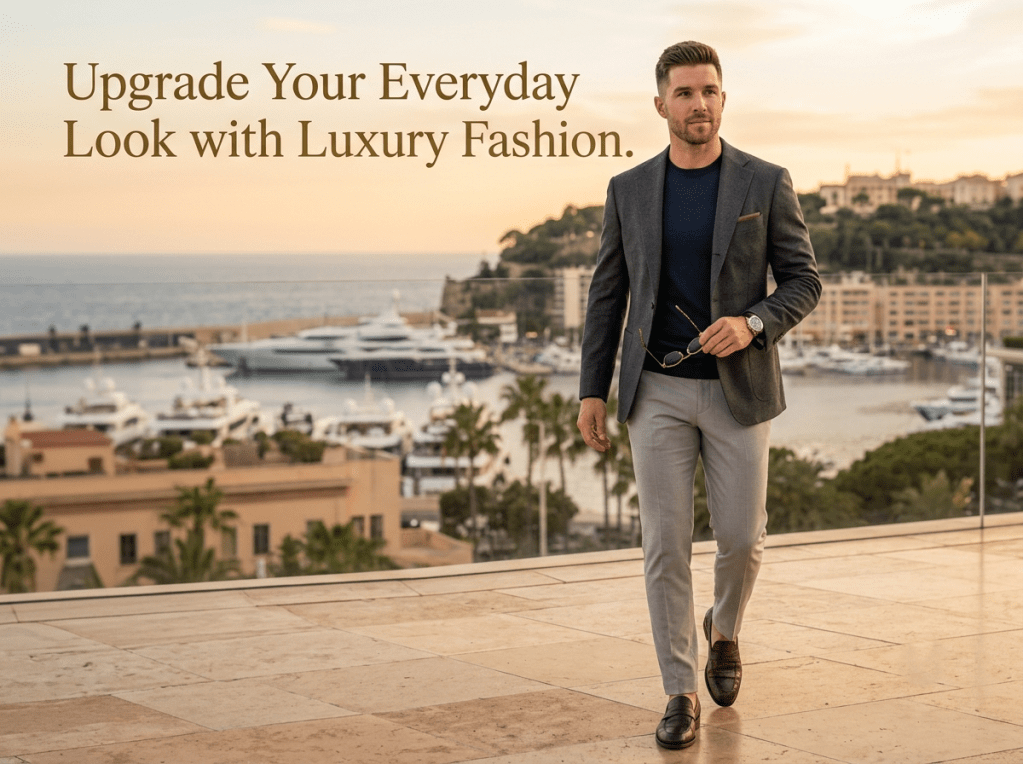
Most people don’t dress for red carpets or runway shows. They dress for commutes, errands, school drop-offs, and ordinary Tuesdays. Yet the idea of “luxury fashion” still tends to conjure images that feel completely disconnected from any of that.
That gap doesn’t need to exist. Upgrading an everyday look isn’t about buying clothes you’ll wear once a year. It’s about applying the same principles that define genuine luxury, quality materials, thoughtful construction, and intentional fit, to the pieces you actually live in every single day.
This article breaks down how to bring those principles into an everyday wardrobe, piece by piece, without needing a special occasion or an unreasonable budget to do it.
What Luxury Fashion Actually Means Beyond the Price Tag
Luxury gets misunderstood constantly. People assume it’s defined purely by cost or brand recognition, when in reality, the term originally described something simpler: exceptional materials and craftsmanship that hold up far longer than ordinary alternatives.
A genuinely luxurious piece of clothing feels different the moment you touch it. The fabric has weight and structure. The seams sit flat and even. The fit was clearly considered, not just mass-produced from a single generic template.
None of that requires designer branding. It requires attention to detail, which plenty of moderately priced brands now offer if you know what to look for.
Separating Marketing Language From Real Quality
Brands throw around words like “premium” and “luxury” loosely, sometimes without much substance behind the claim. Looking past the marketing toward specific details, fabric composition, weave density, construction quality, helps separate genuine upgrades from clever packaging.
Starting With Fabric: The Foundation of Any Upgrade
Whatever piece you’re upgrading, a t-shirt, a sweater, a pair of trousers, fabric quality determines almost everything about how that piece will actually perform over time. Better fiber, whether it’s long-staple cotton, quality wool, or a well-constructed blend, translates directly into a more comfortable, longer-lasting garment.
This matters more for everyday pieces than occasional ones, simply because of how often they’re worn and washed. A shirt worn weekly needs to hold up to far more wear than a formal piece worn a handful of times a year.
Why Fiber Length Changes Everything
Longer fibers, whether in cotton or wool, spin into smoother, stronger yarn. This single factor explains why some clothing feels noticeably better against skin and holds its shape significantly longer than cheaper alternatives made from shorter, weaker fibers.
Fit: The Most Underrated Luxury Upgrade
Plenty of people assume fit is secondary to fabric or brand when it comes to elevating a wardrobe. In practice, fit might be the single most impactful factor in whether an outfit looks genuinely put-together or simply average.
A well-fitted piece, regardless of price, almost always looks more intentional than an expensive item that doesn’t fit properly. Shoulders that sit correctly, sleeves that land at the right length, a silhouette that complements your actual body shape—all of these details matter more than most shoppers realize.
Small Adjustments That Make a Big Difference
Simple tailoring, hemming trousers, adjusting a sleeve length, taking in a slightly oversized shirt, can transform an ordinary piece into something that looks considerably more elevated. This investment often costs far less than buying entirely new pieces and delivers a more noticeable visual upgrade.
Color Strategy for a More Cohesive Wardrobe
A scattered mix of colors, each piece purchased independently without much thought toward the rest of the closet, often undermines an otherwise solid wardrobe upgrade. Building around a more deliberate, cohesive palette makes individual pieces work together far more effectively, even if each one was purchased separately over time.
Neutral tones, navy, charcoal, cream, olive, tend to form the most flexible foundation, since they pair easily with nearly everything else. A small set of complementary accent colors can then be layered in gradually, without disrupting how easily everything mixes and matches.
Avoiding Wardrobe Fragmentation
Fragmentation happens when too many unrelated colors and styles accumulate over time, leaving a closet full of individually nice pieces that rarely combine well together. Stepping back occasionally to evaluate whether new purchases actually complement existing pieces helps avoid this problem before it becomes overwhelming.
Building an Everyday Wardrobe Around Quality Basics
Rather than upgrading everything at once, focusing on a handful of frequently worn basics, t-shirts, jeans, a few sweaters, tends to deliver the most noticeable improvement for the least effort. These are the pieces that form the foundation of nearly every outfit, which means upgrading them has an outsized impact on your overall look.
A well-made cotton tee, paired with quality denim and a structured jacket, can look more polished than an entire closet full of trendy, lower-quality pieces assembled without much thought toward fit or fabric.
Prioritizing Pieces by Frequency of Wear
Start with whatever you wear most often. If you live in t-shirts, prioritize upgrading those first. If jeans dominate your weekly rotation, invest there before anything else, watching for a genuine yard of deal to make that initial investment go further. This approach ensures your money goes toward the pieces delivering the most consistent daily impact.
Layering as a Simple Way to Elevate Any Outfit
One of the easiest ways to bring a touch of luxury into an everyday look is through thoughtful layering. A structured blazer over a simple tee instantly shifts an outfit toward smart-casual. A well-fitted overshirt adds visual interest without requiring an entirely new wardrobe.
Layering also allows lower-cost basics to look more elevated when paired with one or two genuinely higher-quality outer pieces. The contrast between simple foundational pieces and more structured layers often reads as more intentional than an entirely matched, uniform outfit.
Choosing Layers That Complement, Not Compete
The goal with layering isn’t to add as many pieces as possible. It’s choosing one or two complementary layers that elevate the simpler pieces underneath, rather than competing with them for attention.
Accessories and Small Details That Signal Quality
Small details often communicate quality more effectively than an entire outfit’s price tag. A well-chosen watch, a simple leather belt, or quality footwear can elevate an otherwise simple outfit considerably, even when the core pieces themselves are relatively affordable.
These details work because they draw attention to deliberate choices rather than the absence of effort. A thoughtfully chosen accessory signals intention in a way that an expensive but poorly fitted outfit often fails to.
Footwear as a High-Impact Investment
Shoes tend to receive disproportionate attention in how an outfit gets perceived overall. Investing in a couple of well-made, versatile pairs, rather than several cheaper options, often does more for an everyday look than upgrading almost any other single category.
Finding a Genuine Yard of Deal on Elevated Basics
Upgrading an everyday wardrobe doesn’t require paying full luxury pricing across the board. A real yard of deal on quality basics tends to surface during seasonal transitions, when brands clear existing inventory to make space for new collections.
The smartest approach treats cost per wear as the actual measure of value, rather than fixating purely on the sticker price. A piece that costs more upfront but lasts for years, while consistently looking and feeling better, almost always works out cheaper over time than a flimsy alternative replaced every few months.
Patience and Timing Matter More Than Speed
Watching specifically for a genuine yard of deal during legitimate seasonal markdowns, rather than rushing to buy during inflated flash sales, tends to produce noticeably better long-term value. A little patience while shopping usually pays off far more than impulse purchases made under pressure.
Caring for Upgraded Pieces So They Stay That Way
Even genuinely well-made clothing needs proper care to maintain its quality over time. Washing in cold water protects color retention and fiber integrity across most fabric types, reducing the shrinkage and fading that often come with hot water washing.
Air drying, or using the lowest heat setting available, preserves both softness and structural integrity far better than aggressive tumble-drying cycles. Simple habits like these extend the lifespan of an upgraded wardrobe considerably.
Conclusion
Upgrading your everyday look with luxury fashion principles doesn’t require an unlimited budget or a closet reserved for special occasions. It comes down to prioritizing fabric quality, fit, and a handful of thoughtful details across the pieces you actually wear most often.
Whether you’re tracking down a genuine yard of deal during a seasonal sale or gradually replacing tired basics with better-made alternatives, small, intentional upgrades compound over time into a noticeably more elevated everyday wardrobe. Luxury, in the end, isn’t about how rarely you wear something. It’s about how good the things you wear constantly actually feel and perform.
FAQs
Can everyday clothing really feel luxurious without designer branding? Yes. Fabric quality, construction details, and proper fit contribute far more to a luxurious feel than branding or price alone.
Which pieces should I upgrade first when improving my everyday wardrobe? Start with whatever you wear most frequently, whether that’s t-shirts, jeans, or outerwear, since upgrading frequently worn pieces delivers the most noticeable overall impact.
Is it worth paying for tailoring on affordable clothing? Often, yes. Simple tailoring adjustments can make moderately priced pieces look significantly more polished, frequently outperforming expensive items that don’t fit properly.
How can I find quality upgrades without overspending? Watching for a genuine yard of deal during legitimate seasonal sales, rather than chasing inflated flash sales, typically delivers the best combination of quality and savings.
Do accessories really make a noticeable difference in an everyday outfit? Yes. Small, well-chosen details like footwear, belts, or watches often communicate intentionality and quality more effectively than the core pieces of an outfit alone.


